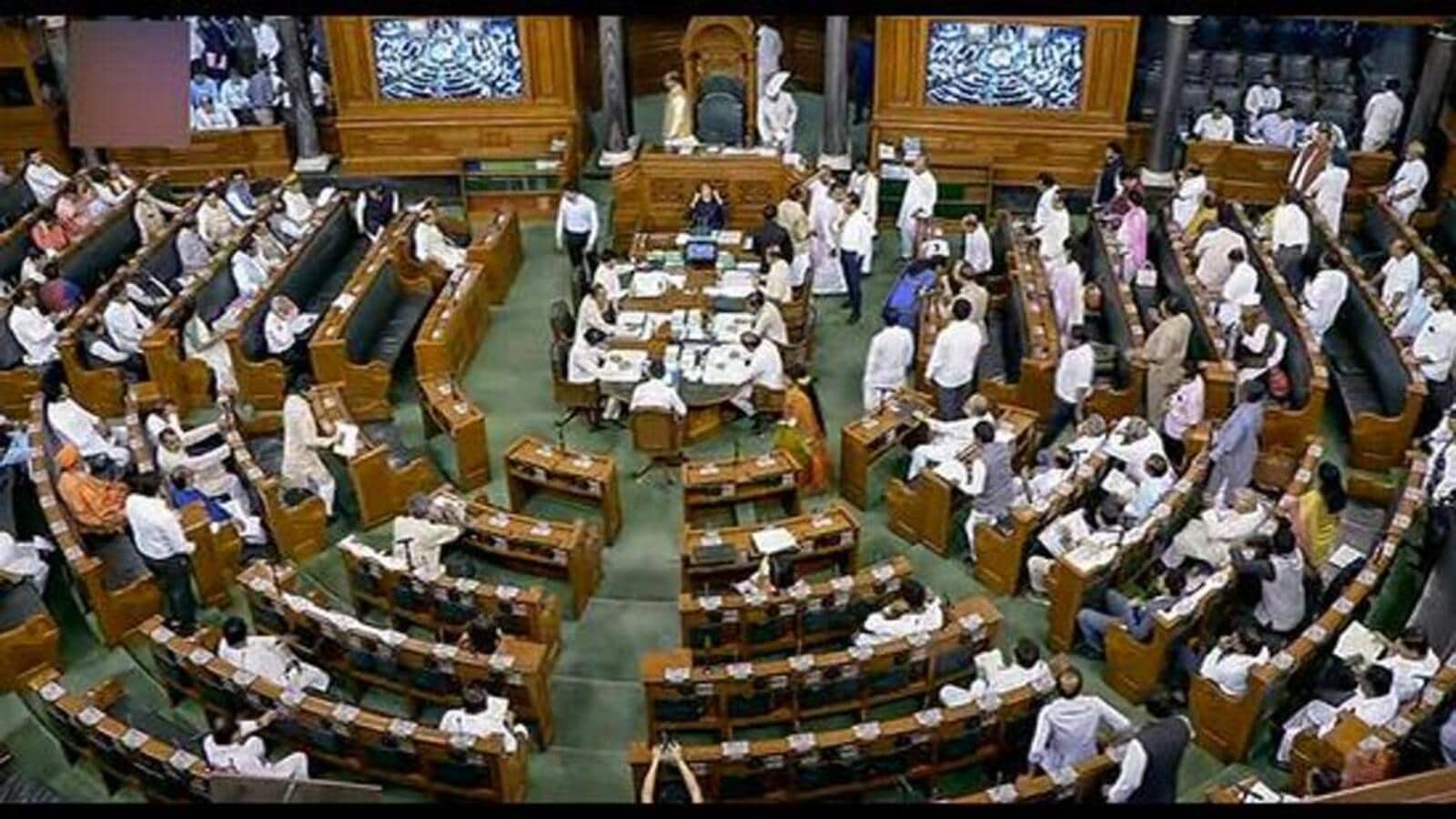
According to a report submitted to the Supreme Court on Monday, 251 of the 543 members of the Lok Sabha are being charged with crimes. According to TOI on Tuesday, 170 MPs are among those facing serious allegations that might result in prison terms of five years or more.
According to the report, Justices Dipankar Datta and Manmohan received an 83-page report from senior counsel Vijay Hansaria that was compiled from several high courts.
With 19 out of 20 MPs (95%) facing criminal charges, Kerala has the greatest percentage of MPs facing such allegations. Serious charges are pending against eleven of those Kerala MPs. Telangana (82%), Odisha (76%), and Jharkhand (71%), are among the other states where a significant proportion of MPs are charged with crimes. There are criminal cases against about half of the MPs from Karnataka, Andhra Pradesh, West Bengal, Bihar, Maharashtra, and Uttar Pradesh.
Haryana and Chhattisgarh have one MP each, Punjab has two MPs, Assam and Delhi have three MPs each, Rajasthan has four MPs, Gujarat has five MPs, and Madhya Pradesh has nine MPs. These are the states with the fewest MPs charged.
"Hansaria told the court that although the SC had in 2023 directed the jurisdictional HCs to set up a bench to monitor the progress of trial in criminal cases pending against sitting/former legislators, there were many states which are yet to set up designated courts for this purpose and because of which in some states such cases the trial is pending for more than two decades," the TOI report states, highlighting the slow progress of trials in these cases. As of January 1, he reported that 4,732 criminal cases against both current and retired lawmakers were still pending trial. With 1,171 outstanding cases, Uttar Pradesh is in first place, followed by Odisha (457), Bihar (448), and Maharashtra (442).
Hansaria also drew attention to problems including the accused's non-appearance, repeated adjournments, and the increased workload for designated courts. In order to resolve the objections presented, the Supreme Court sent the case to the Chief Justice of India, who will assemble a three-judge panel. Data gathered from multiple high courts was referenced in the report.


